10 of The Best Things to do in Guatapé to Experience The Biodiversity of Colombia
Guatapé may be Colombia’s most colorful town, but beyond its painted walls and umbrellas something even more vibrant — the extraordinary living landscapes of the Andes. In this small, lake-filled region east of Medellín, biodiversity isn’t an abstract concept; it’s a daily experience — alive in the forest, the food, and the people who protect it.
Whether you come to climb, ride, taste, or simply breathe, these ten things to do in Guatape will help you discover why Guatapé is truly Colombia in miniature.
1. Climb La Piedra del Peñol for a Bird’s-Eye View of Biodiversity
The 740 steps up La Piedra del Peñol lead to one of the most breathtaking panoramas in South America — a mosaic of emerald lakes, rolling hills, and forested islands that reveal just how intertwined human creativity and natural beauty can be. From this height, you’ll see how water, rock, and forest form one living system.
Bring binoculars: herons, hawks, and parrots are often seen gliding between the islands, and on clear days, you can even glimpse the distant folds of the Andes.
2. Join a Mountain Bike Colombia Eco-Adventure
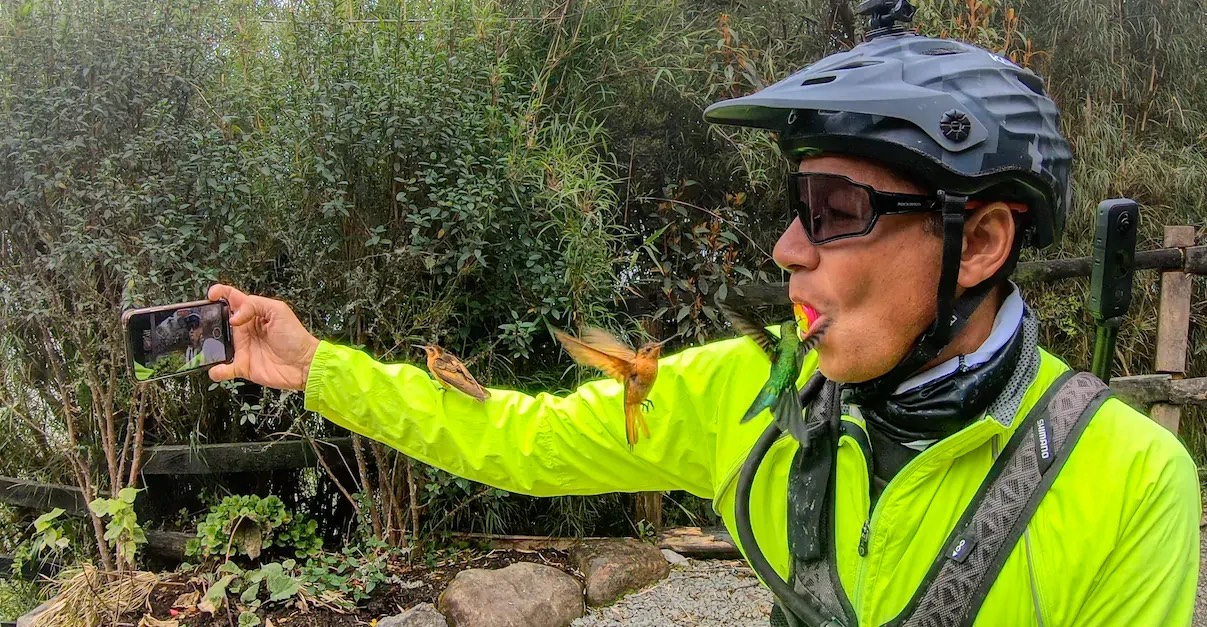
There’s no better way to experience Colombia’s biodiversity than from the saddle of a mountain bike. With Mountain Bike Colombia, every route is designed not just for adrenaline, but for immersion in the living landscape — where waterfalls, cloud forests, ancient pathways, and Indigenous lands reveal the country’s wild essence.
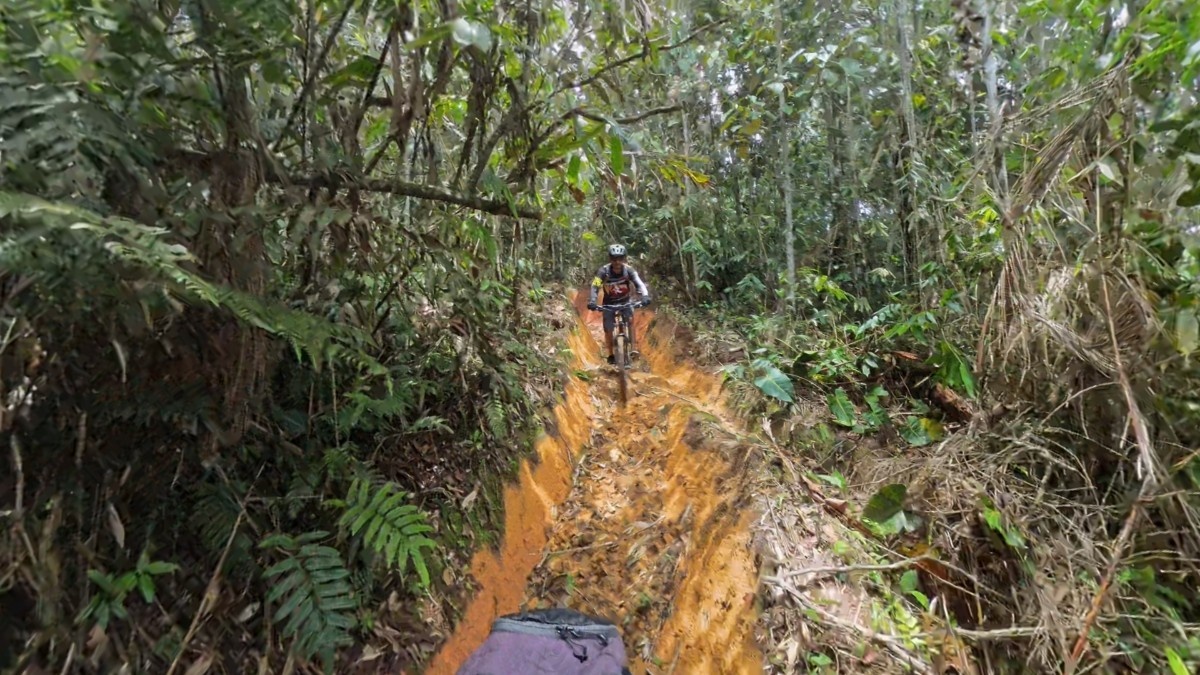
Each ride is rooted in exploration with purpose. Riders move in small, conscious groups that stop to meet farmers, artisans, and Indigenous guardians who live in harmony with the forest. Trails like the Mono Cuco Singletrack or the daring Max-Air Jungle Canopy Ride combine technical challenge with storytelling — where every climb and descent opens a new chapter of Colombia’s ecological and cultural narrative.
The guides are more than bikers; they’re interpreters of the land, weaving together lessons about ecosystems, food sovereignty, and ancestral knowledge. In the Amazon, riders meet communities whose wisdom of plants and wildlife spans centuries; in the Andes, they encounter farmers restoring the soil with regenerative practices.
What makes Mountain Bike Colombia unique is its humanitarian heart — each expedition funds local programs, supports Indigenous schools, and helps sustain Dulce Amazónica’s fair-trade supply chain. Riders don’t just see Colombia’s biodiversity; they help preserve it.
3. Explore the Lago de Guatapé from the Maya Restaurante & Muelle de Deportes Náuticos
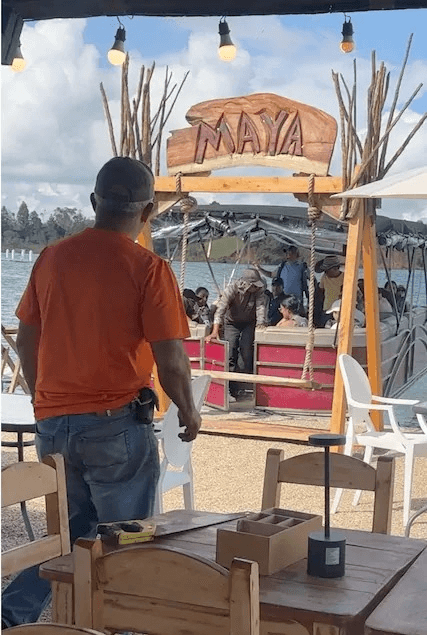
For a truly serene experience of Guatapé’s lake and wildlife, start at Maya Restaurant & Watersports Dock, a hidden gem where good food meets open water. Set right on the shoreline with panoramic views of La Piedra del Peñol and the emerald islands that dot the reservoir, Maya is both a gathering place and a gateway to adventure.
From the dock, you can rent kayaks, paddleboards, or a private pontoon boat to explore the tranquil coves and forested inlets that define the region’s biodiversity. As you drift across the lake, you’ll see kingfishers, herons, and cormorants gliding low over the water, with the towering rock rising in the distance — a perfect frame for photos and quiet reflection.
After your time on the water, settle back on Maya’s open-air terrace to enjoy fresh trout, tropical salads, made with local fruits. The restaurant’s relaxed, nature-immersed setting makes it an ideal stop to rest, refuel, and reconnect — where Guatapé’s landscapes, flavors, and rhythms flow together in one restorative experience.
4. Visit Dulce Amazónica: Taste the Biodiversity of the Amazon
Right beside Casa de Ciclistas, you’ll find Dulce Amazónica — an Embassy of the Amazon where biodiversity becomes something you can taste. Each ice cream, dessert, and breakfast plate is crafted from wild, hand-harvested fruits collected by Indigenous families from deep within the amazon— many of which you have never heard of fruits like camu camu, copoazú, and moriche, each bursting with nutrients having medicinal values and ancient meaning.
Inside, woven baskets, beadwork, and carvings from 18 Indigenous nations line the walls, each carrying the memory of rivers, trees, and ancestral wisdom. It’s an opportunity for visitors to meet Indigenous ambassadors from very remote villages who share their knowledge and stories.
It’s here that you can encounter the hidden people of the Amazon, the guardians of the wilderness with wisdom who speak of sacred forests and the spirits of the fruits themselves. Over a bowl of deep-purple açaí or huito ice cream that darkens like ink in air, you might hear an ancestral story — about trees that heal, rivers that sing, and the deep connection between life and land.
Every purchase supports fair trade, dignity, and cultural sovereignty. Dulce Amazónica shows that biodiversity isn’t just something to protect — it’s something to experience, to learn from, and to help thrive through respectful exchange.
5. Dulce Café
Just a short bus ride from Guatapé, San Rafael is an oasis of waterfalls, natural pools, and lush lowland forest. Hiking trails wind through banana groves, bamboo thickets, and crystal-clear rivers that invite a swim at every turn.
This region marks a transition zone between Andean and Amazonian ecosystems, making it one of Colombia’s most biodiverse pockets. Look for toucans, blue morpho butterflies, and playful squirrel monkeys — all within a single morning walk.
6. Kaffa Café Bar
Meet the moment that makes Mono Cuco unforgettable: the trailside coffee experience at Neos—a small, family-run, shade-grown finca tucked right beside the singletrack. You’ll drop your bike, step through fruit trees and coffee rows, and watch the story of your cup unfold in minutes: taste a ripe cherry, feel the slick parchment after pulping, pass the drying tables, then settle in for a clean hand-pour that actually tastes like the forest you just rode through. This isn’t a staged tour; it’s a working farm welcoming riders, and Mountain Bike Colombia is the bridge that makes it personal. While you sip, tanagers and hummingbirds flicker along the treeline, the river cools the air, and your legs reset for the second half of the ride.
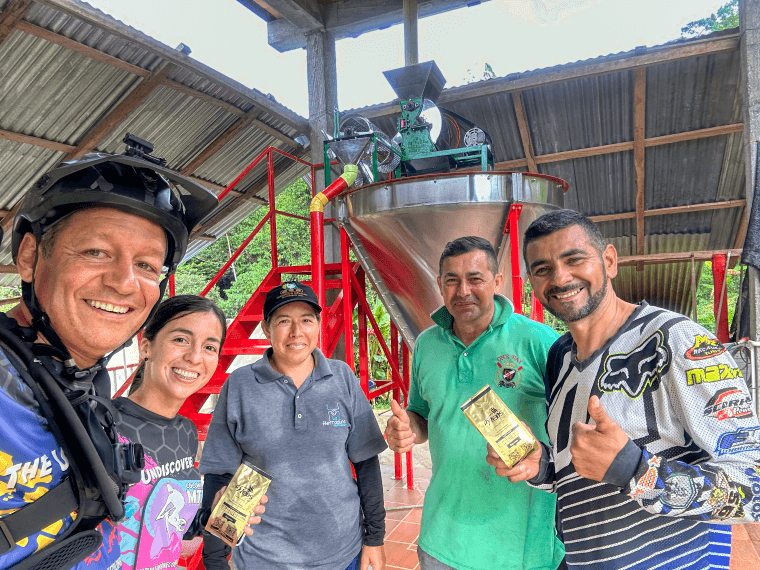
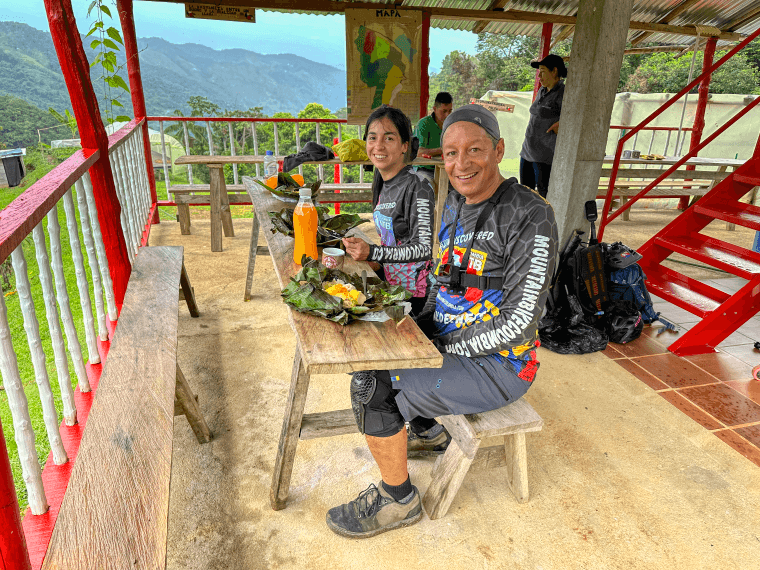
Why it matters—and why guests rave about it: Neos ties flavor to place. The canopy keeps the trail cool and the birds abundant; that same canopy protects the coffee and concentrates sweetness in the cup. It’s regenerative agriculture you can see and taste—habitat intact, family livelihood sustained, and zero pretense. Practically, it’s the perfect mid-ride pivot: refuel with coffee and panela fruit snacks, take a quick dip in a clear pool, and roll out energized for more flowy singletrack. You’re not “stopping for coffee”; you’re weaving the best cup in the region into the adventure itself.
What the experience includes
- Guided “seed-to-cup” mini-walk (pick and participate, no fluff) + hand-brewed tasting by the growers.
- Prime wildlife moments right at the porch (great for casual birdwatching between sips).
- Optional river cool-down before remounting.
- MBC’s pro trail guidance, safety kit, and pacing tuned to your group.
Who it’s perfect for
- Riders who value authentic, small-scale Colombia over mass-tourism checklists.
- Coffee lovers who want contextwith their cup (and a story worth telling back home).
- Mixed groups: strong riders get their singletrack fix; everybody wins at the farm.
Come for the flow; stay for the coffee story that lingers long after the mud washes off. On the Mono Cuco Trail Adventure, Neos isn’t a token stop—it’s the soul of the day.
7. Ride the Max-Air Jungle Canopy Adventure
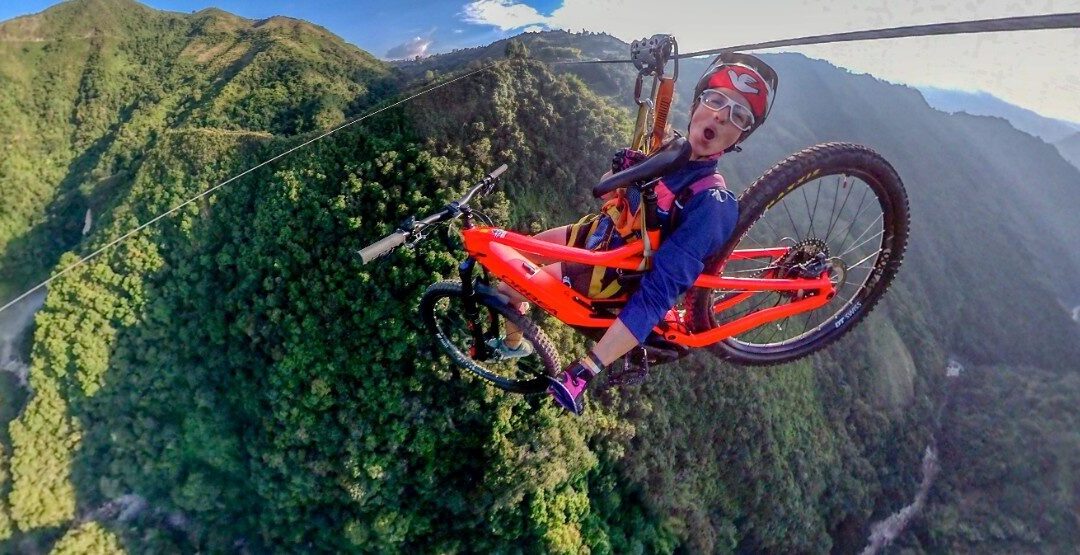
For thrill-seekers who love nature, Mountain Bike Colombia’s Max-Air Jungle Canopy Adventure is pure magic — a fusion of adrenaline and ecological awe. Picture yourself pedaling across a suspended cable high above the forest, suspended in open air as the jungle unfolds beneath your tires. Orchids bloom on ancient trees below, waterfalls roar in the distance, and toucans flash by at eye level.
Built to celebrate rather than disturb, Max-Air embodies the harmony of engineering and ecology. Guides explain the native species that share the canopy with you, turning a daredevil ride into an act of environmental connection. The sensation of floating through green air is unforgettable — it’s adventure as meditation, adrenaline as reverence.
When you finish, you don’t just feel exhilarated — you feel renewed, humbled by the vast, breathing wilderness that defines Colombia.
8. Birdwatching in San Rafael with Winston from Posada de Avies
For a truly authentic encounter with Colombia’s birdlife, spend a morning in San Rafael with Winston from Posada de Avies, a passionate local naturalist who has dedicated years to studying and protecting the region’s avian biodiversity. Winston leads intimate birdwatching walks and bike rides through the lush river valleys, secondary forests, and cacao groves, where the songs of tanagers, motmots, and flycatchers fill the air.
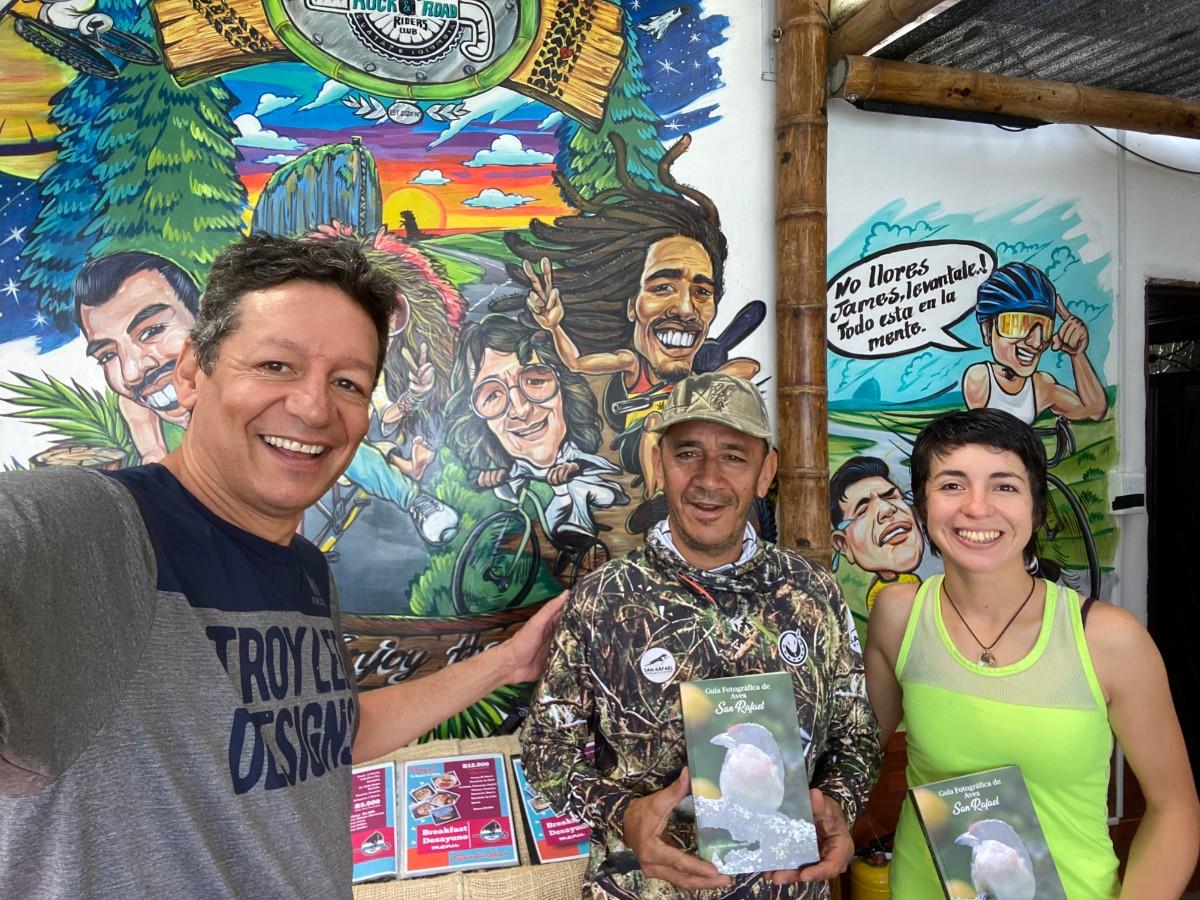
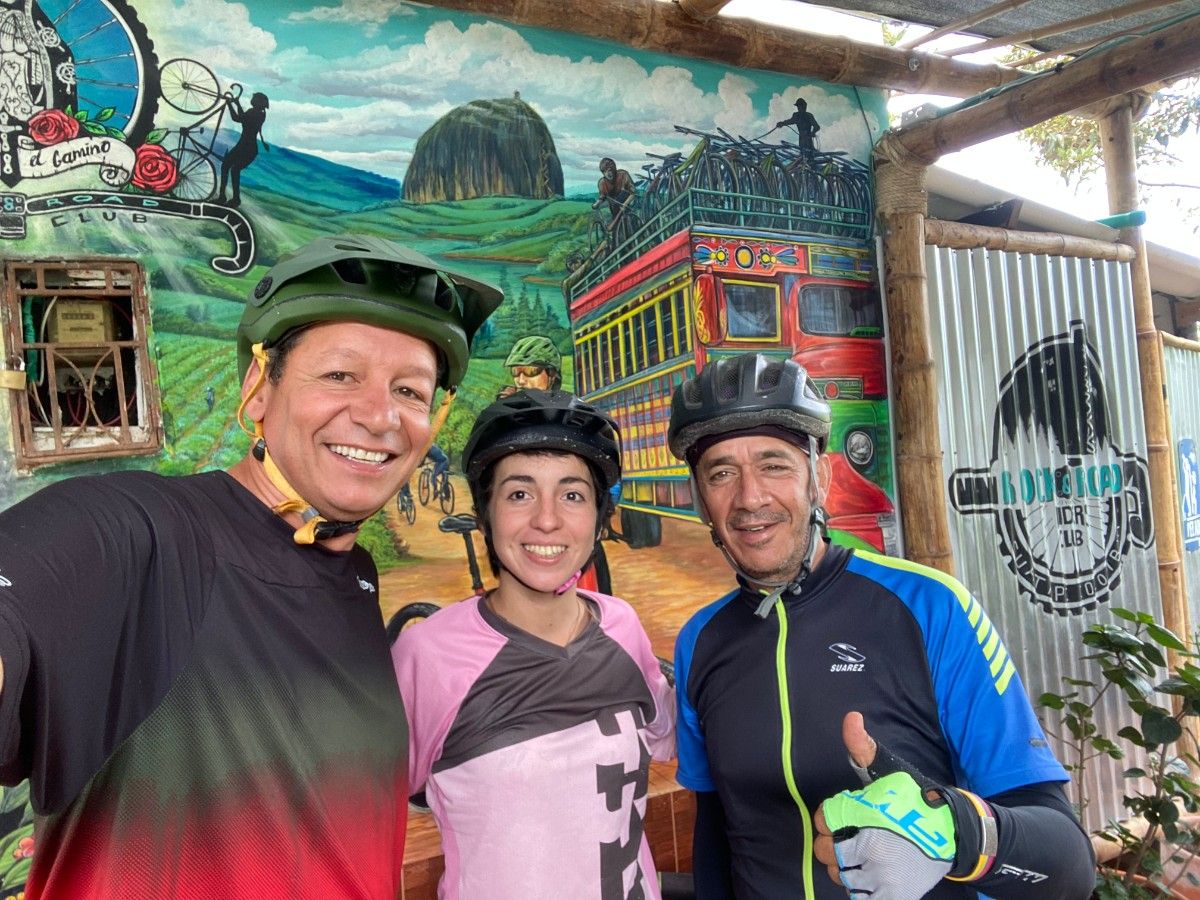
As dawn breaks, you’ll explore hidden trails along crystalline streams where toucans, trogons, and hummingbirds gather to feed. Winston’s keen eye and deep knowledge make the experience both educational and soulful — he shares not only the names and calls of each species but also the ecological relationships that keep the forest alive.
After the excursion, enjoy a fresh, home-style breakfast at Posada de Avies, surrounded by the sounds of the jungle waking up. This experience captures what San Rafael does best: blending biodiversity, community, and heartfelt hospitality into one unforgettable morning.
9. El Toché, A Cacao Experience in San Rafael, Colombia
Nestled in the lush landscapes of San Rafael, Colombia, El Toché offers an immersive cacao experience that showcases the rich cultural heritage of the region. Visitors are taken on a journey through the process of cacao cultivation, from the fertile soils where the beans are grown to the traditional methods of harvesting and fermentation. El Toché blends ecological sustainability with the rich flavors of Colombian cacao, allowing guests to taste and appreciate the diverse varieties of chocolate that are created from these prized beans.
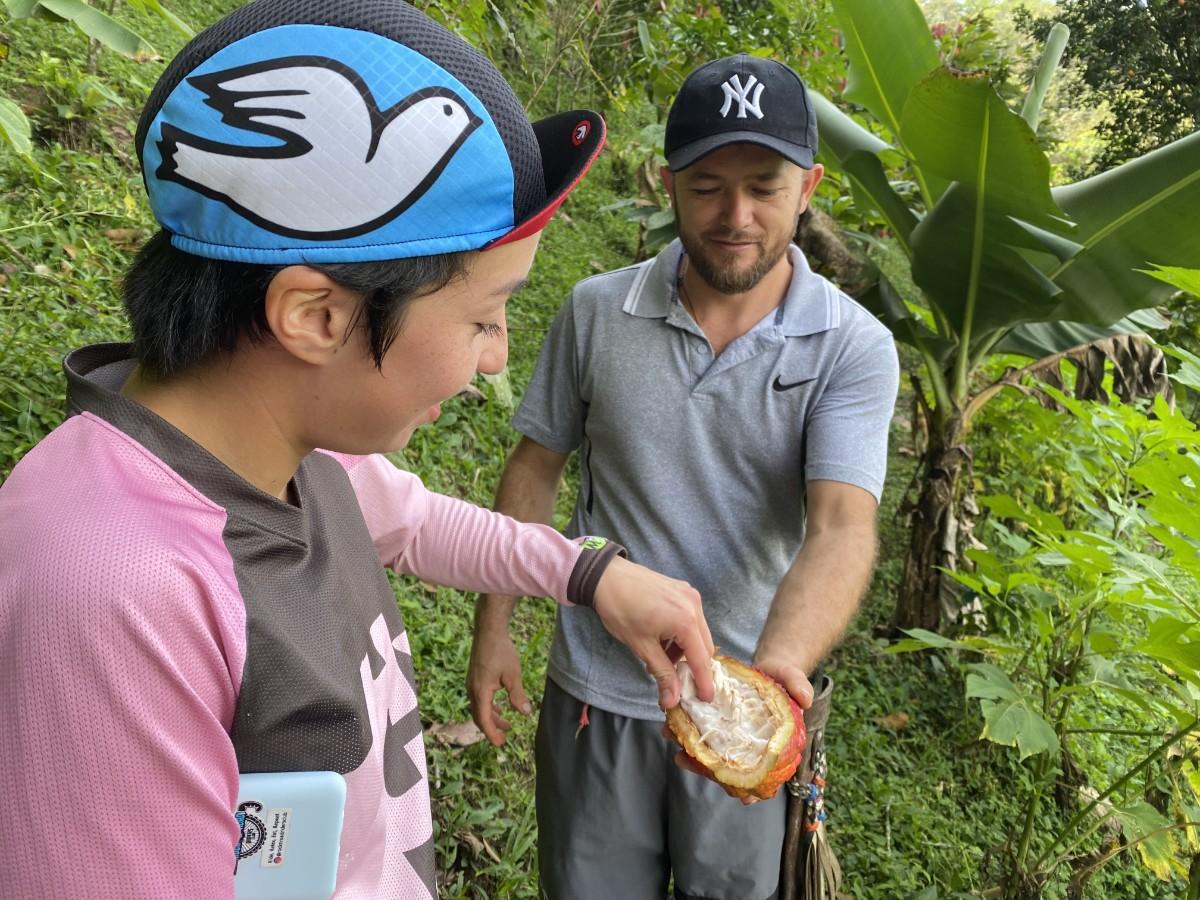
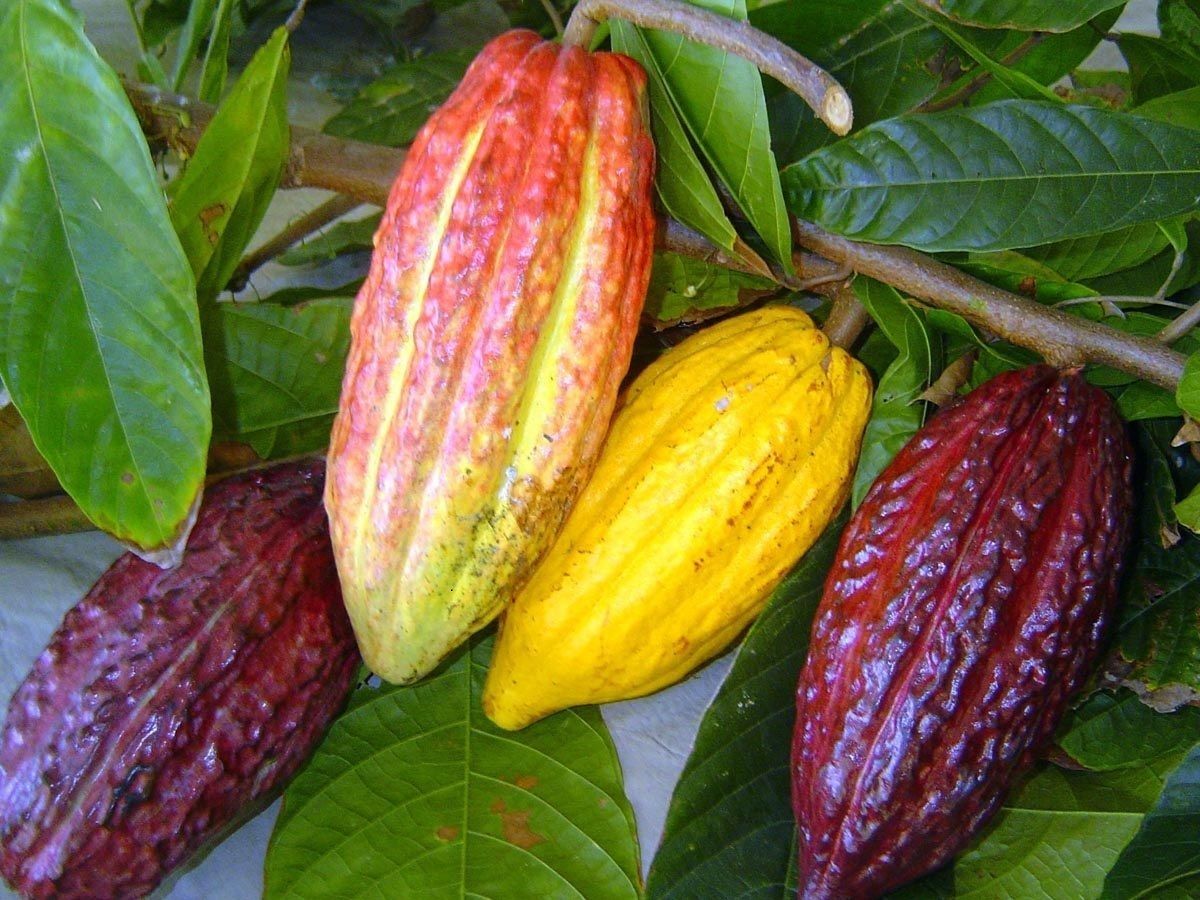
The experience is not just a tour of the cacao farm, but a deep dive into the history and significance of cacao in Colombia’s rural communities. With its breathtaking views of the Andes and its commitment to preserving both the environment and local traditions, El Toché offers a unique and flavorful way to connect with the heart of Colombia’s cacao culture.
In addition to its hands-on activities, El Toché fosters a deeper connection between visitors and the surrounding community through educational workshops and storytelling sessions led by local farmers. These sessions highlight the challenges and triumphs of cacao cultivation in the region, emphasizing the importance of fair trade, environmental stewardship, and the preservation of ancestral knowledge.
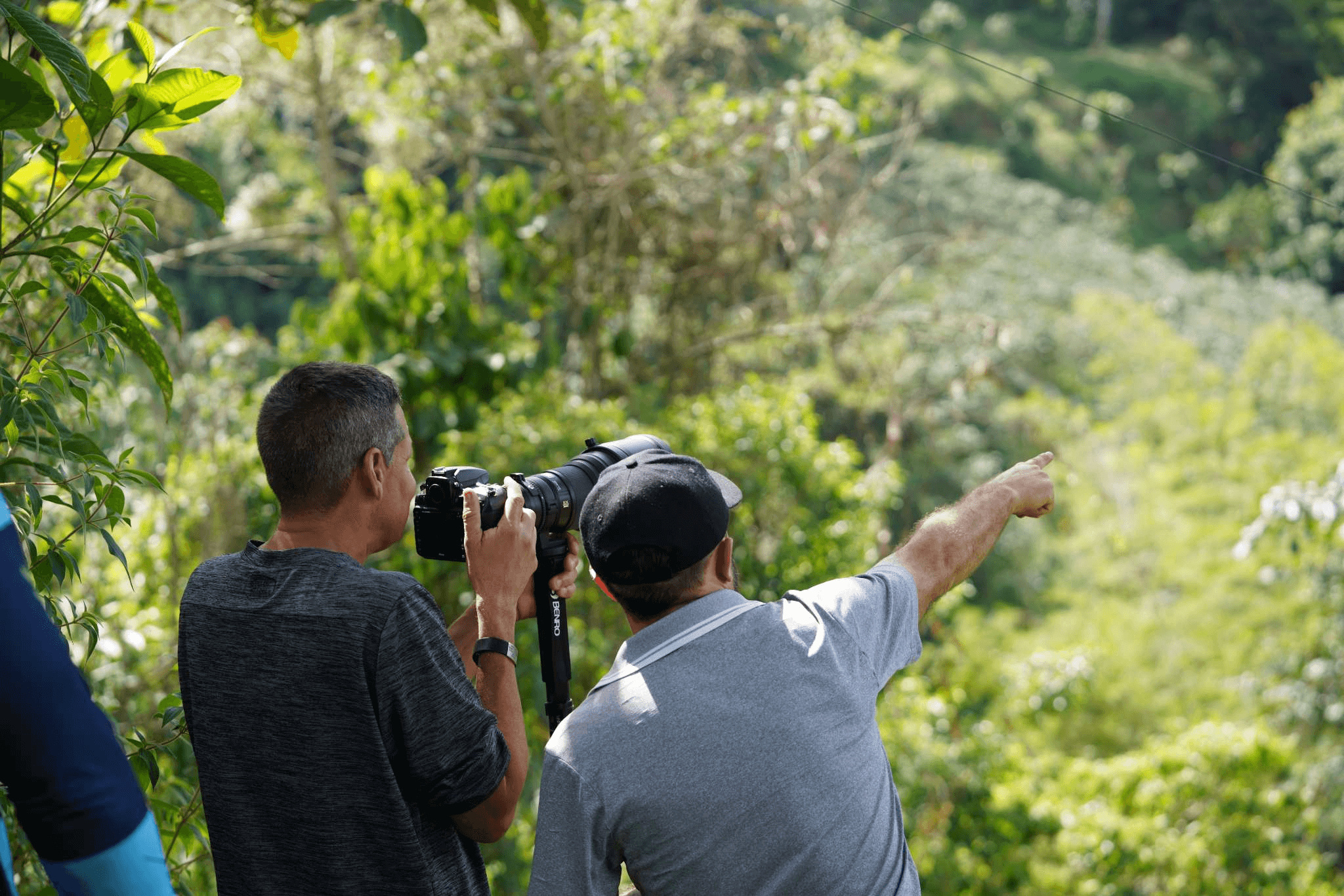
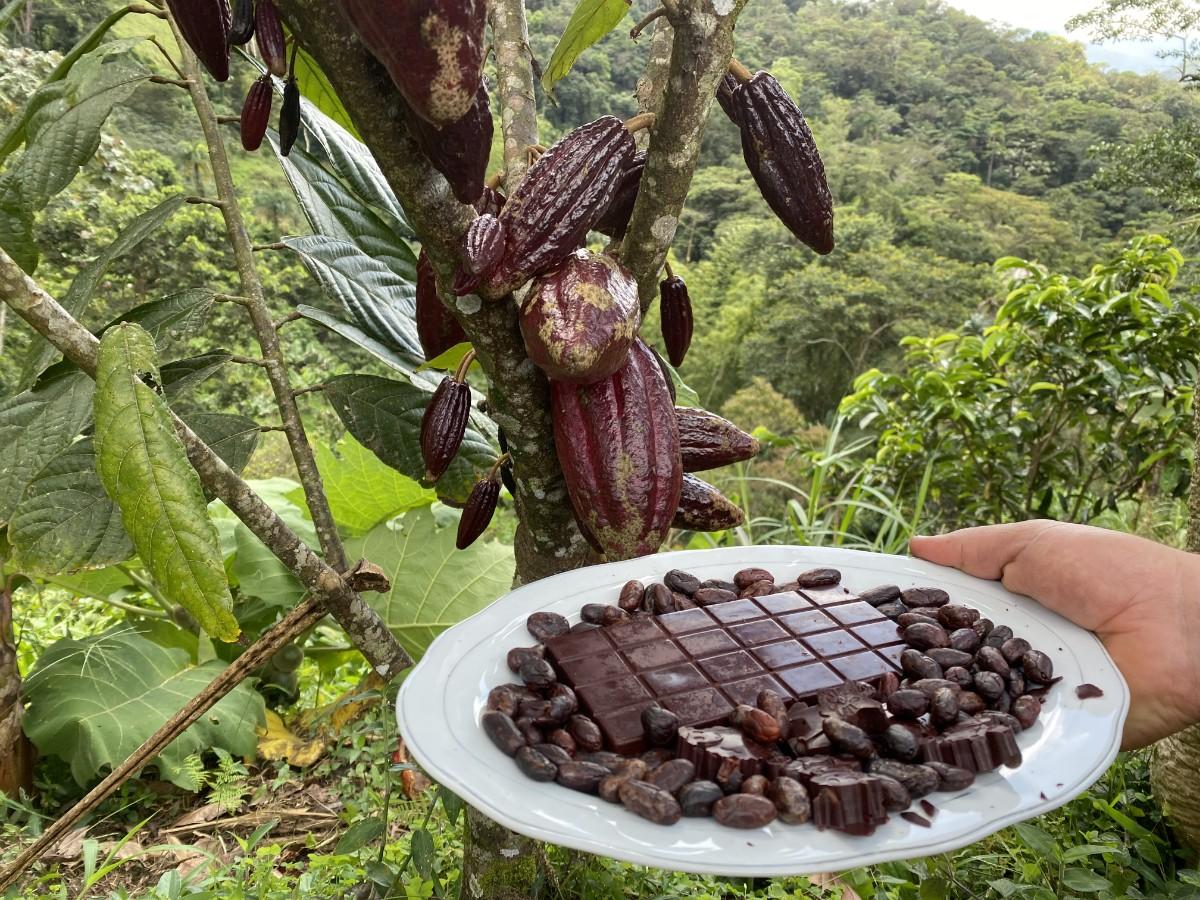
Guests can taste small-batch chocolates crafted on-site, often infused with native fruits and spices, creating a sensory experience rooted in the flavors of the Colombian countryside. As the day winds down, travelers often gather by the riverside or under the canopy of towering trees to reflect on their discoveries, surrounded by the gentle sounds of nature. Whether participating in a wildlife photo trek or savoring artisanal chocolate, visitors leave El Toché with a renewed appreciation for the delicate balance between culture, agriculture, and the wild beauty that defines San Rafael.
10. La Fogata (Restaurant/Brunch)
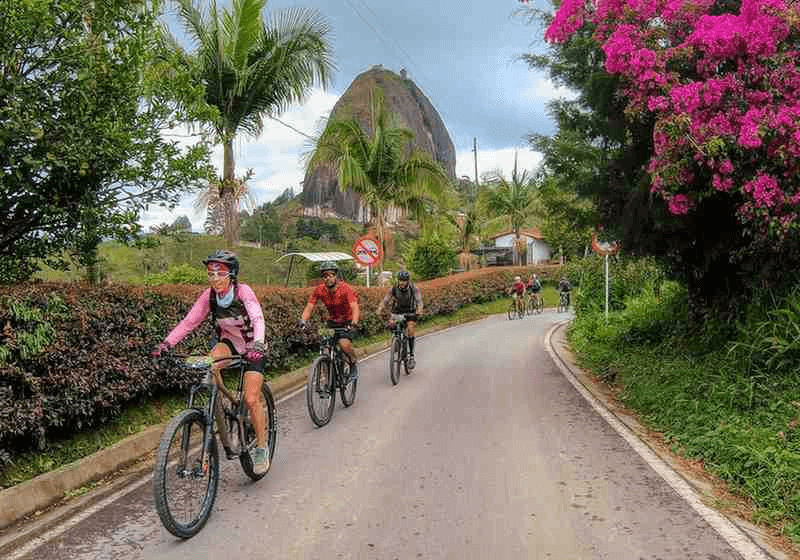
There’s no better way to begin a day in Guatapé than with the free morning ride organized by Casa de Ciclistas every Monday, Wednesday, and Friday. As the sun rises, riders set off through misty backroads and forest trails where birds call, monkeys move through the canopy, and the first light glows over the lake. The ride is gentle, open to everyone, and offers a rare chance to see Colombia’s biodiversity awakening — a moving lesson in connection between people, place, and nature.
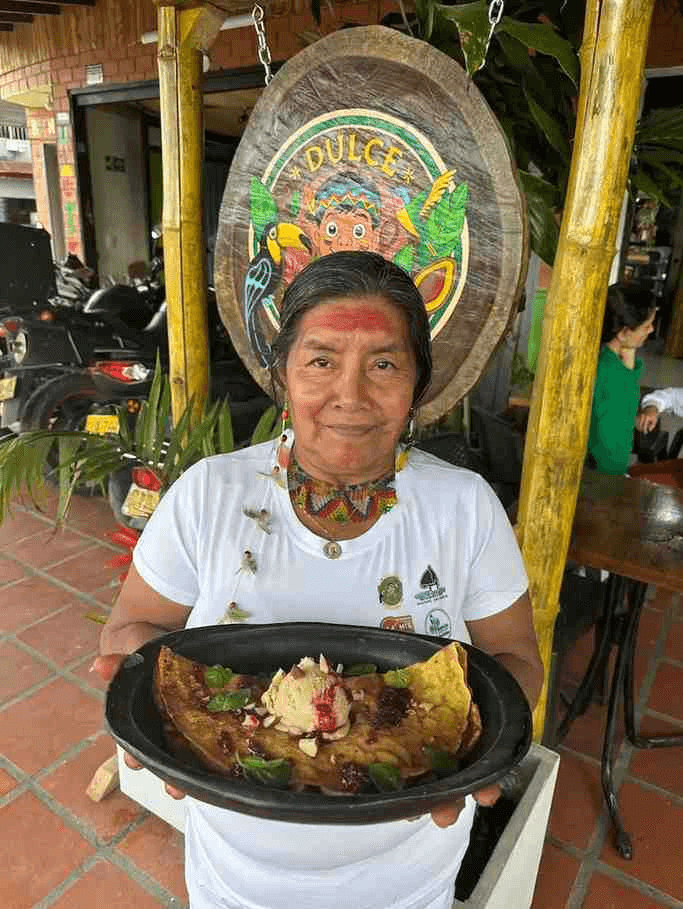
When the group returns, the morning continues just a few steps away at Dulce Amazónica, where travelers are invited to refuel and learn through flavor. Here, breakfast becomes education: crepes made with Amazonian fruits, native nuts, and ancestral ingredients tell the story of Indigenous communities who harvest and protect these foods in the rainforest. Each dish is a cultural bridge — nourishment that teaches about biodiversity, fair exchange, and the living traditions behind every bite.
Together, Casa de Ciclistas and Dulce Amazónica create a morning experience unlike any other in Colombia — an invitation to move, learn, and taste the country’s natural and cultural diversity, all before most travelers have even had their first coffee
Why Guatapé Is Colombia in Miniature
Guatapé is more than a postcard-perfect destination — it’s a living reflection of Colombia’s immense diversity compressed into one luminous landscape. Within a few kilometers, you move from Andean peaks to tropical lowlands, from pine forests to warm rivers that flow toward the Amazon basin. It’s one of those rare places where ecosystems overlap, revealing Colombia’s astonishing range of life — from mountain orchids to river dolphins, from coffee fields to rainforest vines.
But what makes Guatapé truly “Colombia in miniature” isn’t just its nature — it’s its people and values. Farmers, artisans, and Indigenous ambassadors together form a living mosaic of cooperation and coexistence. The same spirit that paints the town’s Zócalos in bright color also drives its communities to protect the land that sustains them.
Here, biodiversity isn’t just seen — it’s tasted, touched, and lived. Through Mountain Bike Colombia’s rides, Dulce Amazónica’s cultural exchange, and Casa de Ciclistas’ regenerative philosophy, Guatapé offers travelers a chance to join something larger: a movement of respect, renewal, and reconnection.
To experience Guatapé is to experience Colombia at its best — diverse, dignified, and deeply alive.